Matcha and green tea come from the same plant, but they are grown, processed and drunk differently. Matcha leaves are shaded before harvest, dried without rolling, and stone-ground into a powder you drink whole. Most green tea is grown in sunlight, rolled, and infused, then the leaves are thrown away. Because you consume the entire leaf, matcha delivers more catechins, L-theanine, fibre, minerals and fat-soluble vitamins per cup.
|
|
Matcha |
Green tea (such as sencha) |
|---|---|---|
|
Cultivation |
Shaded for several weeks before harvest |
Mostly grown in full sunlight |
|
Processing |
Steamed, dried without rolling (tencha), stems and veins removed, stone-ground |
Steamed, rolled, shaped and dried |
|
How you drink it |
Whole leaf, whisked into water |
Infused, leaves discarded |
|
Taste |
Rich umami, gentle sweetness |
Fresher, more astringent |
|
Colour |
Deep, vivid green |
Lighter green to yellow-green |
|
Nutrients per cup |
Higher: catechins, L-theanine, fibre, minerals, vitamins A and K |
Lower, except vitamin C |
1. The First Difference: Cultivation (Shaded vs Non-Shaded)
The most fundamental difference between matcha and regular green tea begins before harvest.
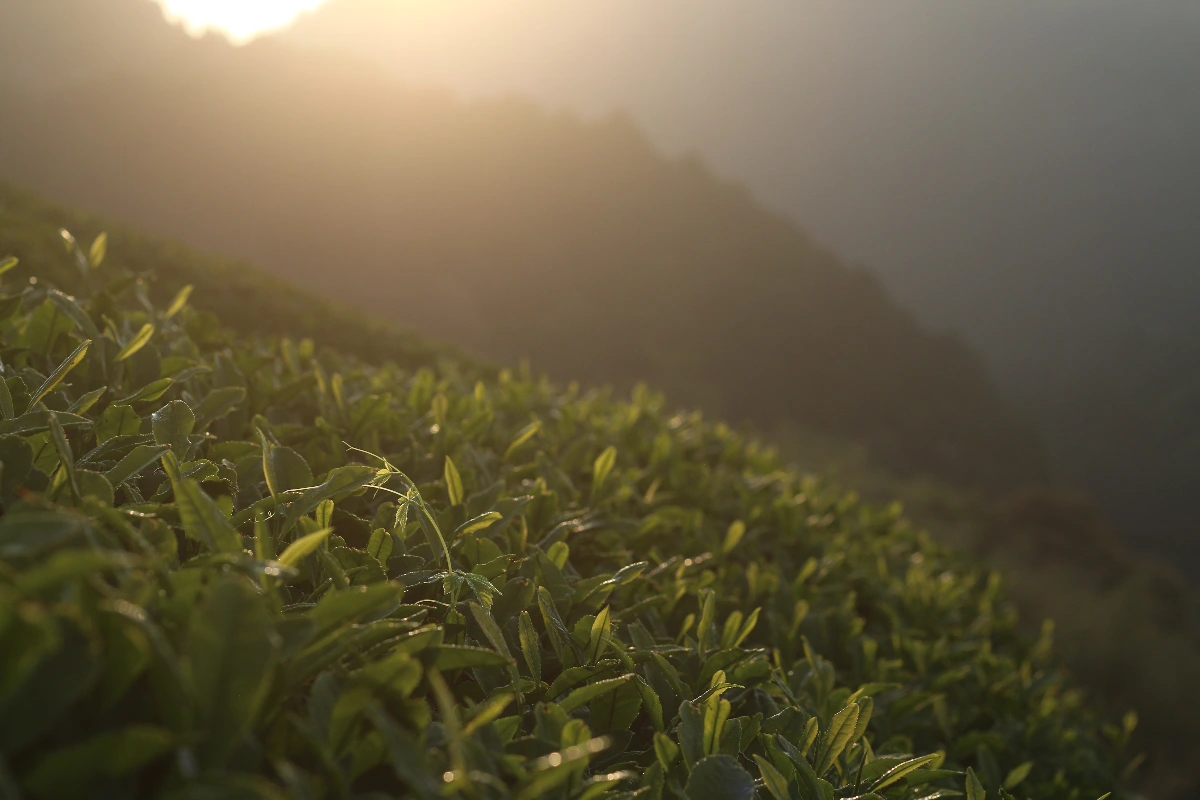
Most green teas are grown in full sunlight. The exceptions are shaded teas such as gyokuro (玉露) and kabusecha (かぶせ茶). Matcha, however, is made from tea leaves that are shaded for several weeks before picking.
Shading changes how the tea plant develops:
- With less direct sunlight, the plant makes fewer catechins, the compounds responsible for bitterness, while amino acids, especially L-theanine, are preserved.
- Shading also increases chlorophyll, giving matcha its deep, vibrant green colour.
Shaded leaves contain a lower proportion of catechins than sun-grown leaves. But matcha is consumed as a whole-leaf powder, so it still delivers far more catechins and antioxidants to the body than a cup of brewed green tea.
In short, shading improves the balance of taste, while drinking the whole leaf explains matcha’s strong antioxidant profile. This step alone clearly separates matcha from ordinary green tea.
2. A Completely Different Processing Method
After harvest, the difference between green tea and matcha becomes even more pronounced.
Green tea: rolled and infused
Green tea leaves are steamed to stop oxidation, then rolled (kneaded), shaped and dried. Rolling breaks the leaf structure, so that flavour and compounds can be extracted into water during brewing. Once infused, the leaves are discarded.
Matcha: never rolled, ground and drunk whole
Matcha follows a completely different path. Shaded tea leaves are steamed, then dried without any rolling. At this stage, the leaves become tencha. Before grinding, the veins and stems are carefully removed, leaving only the soft leaf flesh. The tencha is then ground into powder.
Industrial mechanical milling can produce large volumes quickly, but it generates heat through friction. Catechins, key antioxidant compounds in tea, are sensitive to heat, and high-speed grinding can degrade them.
Traditional stone milling is slow and precise, producing only about 40 grams per hour per mill. Because stone mills generate very little heat, they help preserve flavour, aroma, colour and a higher proportion of catechins.
In short:
- Green tea is rolled, brewed and extracted.
- Matcha is never rolled, then finely ground and fully consumed.
Green tea is infused. Matcha is eaten.
A note on oxidation and fermentation
Both green tea and matcha are non-fermented teas. Oxidation is stopped right after harvest by steaming. This clearly distinguishes them from oolong tea, which is partially oxidised, and black tea, which is fully oxidised. The absence of oxidation helps preserve delicate compounds such as catechins and vitamin C.
Vitamin C in green tea and matcha
Japanese green teas naturally contain vitamin C, which is well preserved because the leaves are not oxidised. In black tea, oxidation destroys most of it.
Here, sun-grown green tea actually has the advantage: shading lowers vitamin C, so sencha leaves contain much more vitamin C than matcha. A cup of brewed sencha gives you more vitamin C than a bowl of matcha. Matcha’s strengths lie elsewhere.
3. Nutrient Absorption: Extracted vs Whole Leaf
Because green tea is infused, only part of the leaf’s nutrients end up in the cup: on average, around 30% of the leaf’s components dissolve into the water.
Matcha is different. Since you consume the entire powdered leaf, you take in nearly all of its nutrients. This is why a serving of matcha naturally provides more:
- catechins, powerful antioxidants
- L-theanine, an amino acid associated with calm focus
- caffeine, often described as gentler and more gradual thanks to L-theanine
- fat-soluble vitamins such as vitamin A and vitamin K
- minerals, including potassium, magnesium and iron
- dietary fibre, since the whole leaf is consumed
Fibre, minerals and fat-soluble vitamins barely dissolve in water, so in brewed green tea they stay in the leaves you throw away. With matcha, they reach your body.
4. Nutritional Perspective: What Science Tells Us
From a scientific perspective, both green tea and matcha are widely recognised as beneficial to health. Over recent decades, many studies have examined green tea consumption in relation to overall well-being.
Matcha stands apart in one key way. Because it is consumed as a whole-leaf powder, it delivers a higher concentration of nutrients per serving than brewed green tea: antioxidants, amino acids, minerals, fibre and fat-soluble vitamins that are only partly extracted when leaves are infused and discarded.
It is therefore reasonable to say that matcha offers a higher nutritional intake per cup, while sharing the same fundamental health-supporting properties as green tea.
5. Potential Health Benefits of Drinking Matcha Regularly
Research suggests that regular consumption of green tea and matcha may be associated with several positive health outcomes:
- antioxidant activity linked to catechins, which may help protect cells from oxidative stress
- support for cardiovascular health, including effects on blood pressure and cholesterol balance
- metabolic support, with some studies observing effects on fat oxidation and weight management
- potential protective effects that are being studied in relation to cancer prevention
- support for skin health through antioxidants and vitamins
- immune support linked to polyphenols, vitamins and minerals
Matcha may strengthen these effects because the whole leaf is consumed, giving a higher overall nutrient intake than brewed green tea.
That said, matcha is not a medicine. Its value lies in consistent, moderate consumption as part of a balanced lifestyle, not in exaggerated claims or quick results.
Why Choosing Organic Matcha Matters
When choosing matcha for daily drinking, organic cultivation is essential. Because matcha is consumed whole, any residues on the leaf, including pesticides, end up in your body too.
Organic matcha reduces this risk and ensures that what you consume reflects the integrity of the tea plant and its environment. Choosing organic matcha is not only a matter of taste or tradition, but a conscious decision for long-term well-being. I explain why I chose it from the very beginning in JAS organic matcha: why I chose organic from the start.
If you would like to taste shaded, stone-ground organic matcha from a single family farm in Wazuka, Kyoto, I invite you to discover MUSUBI MATCHA. And to learn how to spot the real thing, read fake matcha vs real matcha.
Frequently Asked Questions
Is matcha healthier than green tea?
Per cup, matcha provides more catechins, L-theanine, fibre, minerals and fat-soluble vitamins, because you drink the whole leaf. Brewed green tea such as sencha, however, provides more vitamin C. Both share the same fundamental benefits.
Is matcha just powdered green tea?
No. Matcha is made from tencha: leaves shaded before harvest, dried without rolling, with stems and veins removed, then ground into a fine powder. Ordinary green tea ground into powder is not matcha.
Does matcha have more caffeine than green tea?
Usually, yes. Because you consume the whole leaf, a bowl of matcha generally contains more caffeine than a cup of brewed green tea. Its L-theanine is often said to make the energy feel calmer and steadier.
Why does matcha taste different from green tea?
Shading reduces bitter catechins and keeps more L-theanine, giving matcha its rich umami and gentle sweetness. Sun-grown green tea tastes fresher and more astringent.
What is the difference between matcha and sencha?
Sencha is grown in sunlight, rolled and infused. Matcha is shaded, never rolled, stone-ground and drunk whole. Both are Japanese, non-oxidised green teas from the same plant.
For another comparison, read hojicha vs matcha.
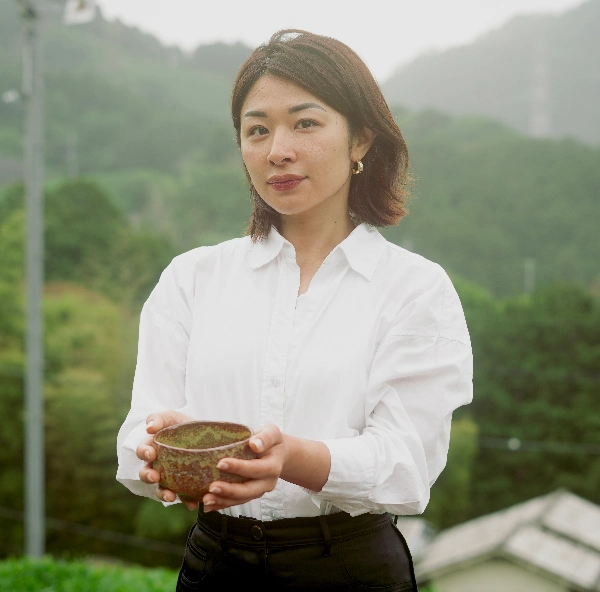
Written by Ryoko Benoist, founder of MUSUBI MATCHA, certified Japanese Tea Advisor and author of Matcha: Histoire, tradition et recettes (Éditions La Plage, 2025). MUSUBI MATCHA sources exclusively from a family farm in Wazuka, Kyoto, with more than 350 years of tea-growing history.
Discover our matcha → Shop now