There is no single “best” matcha in Europe, but there is a reliable way to find it. Look for Japanese matcha from a named region, first harvest, stone-milled, JAS organic, with full farm traceability. If it tastes complete with only hot water, you have found it.
“Which is the best matcha?” is one of the questions I am asked most often.
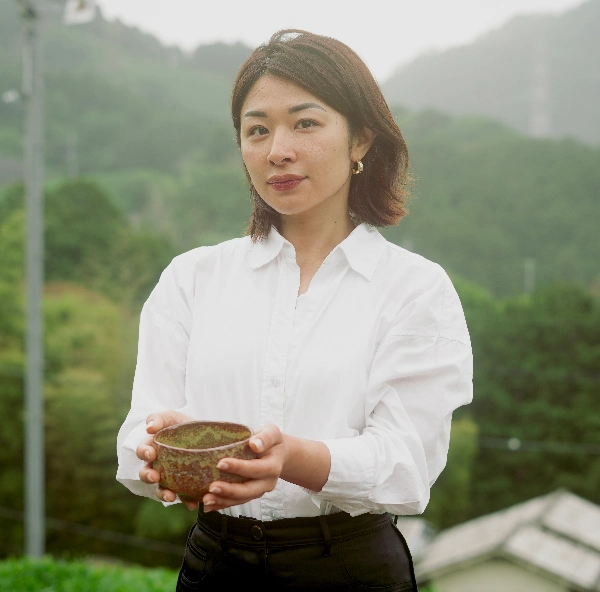
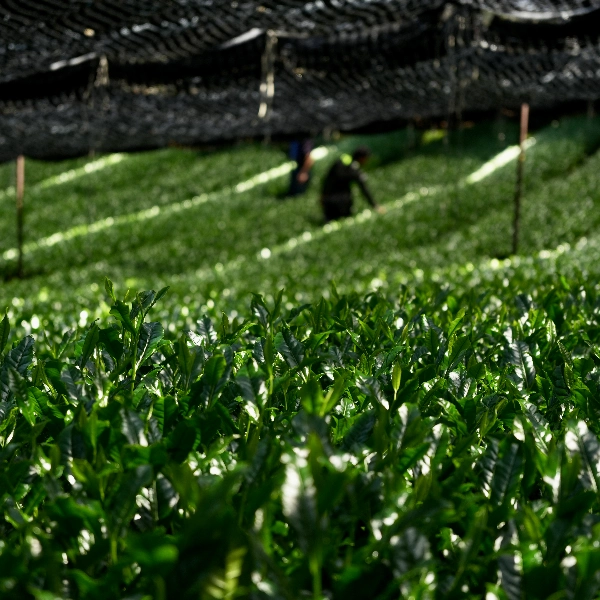
After years of exploring Japanese tea culture, studying traditional preparation methods and working directly with tea producers in Wazuka, Kyoto, I have learned that the answer is not the most expensive matcha, or the one with the most impressive grade on the label.
The best matcha is the one that reveals its true character: natural sweetness, deep umami, a delicate aroma, and the Japanese craftsmanship behind every bowl. A truly exceptional matcha does not need milk or sugar to become enjoyable. It is already complete on its own.
Today, matcha is everywhere in Europe… in cafés, supermarkets and online shops. That popularity has created a lot of confusion. Not all matcha is produced the same way, and not all matcha is meant to be enjoyed the same way. Some is made for lattes and recipes. Some is crafted to be whisked with water and nothing else.
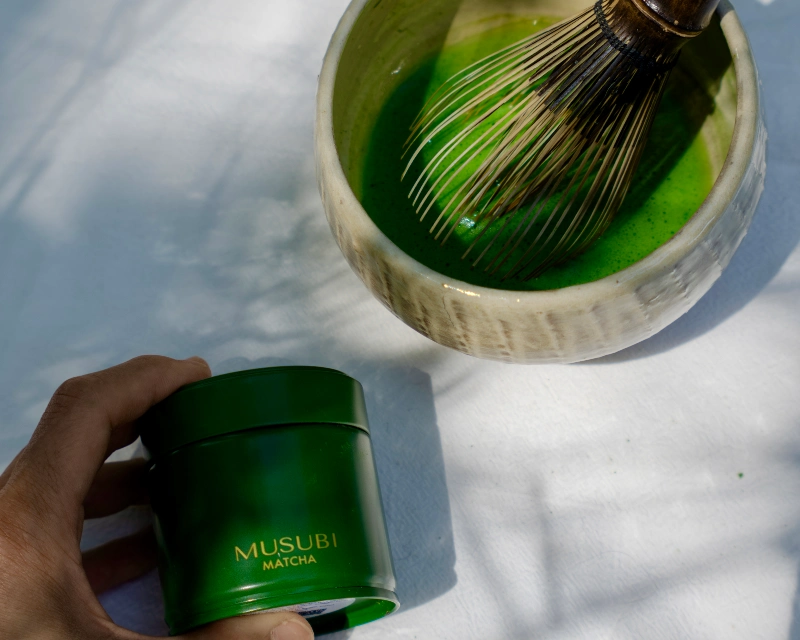
As a Japanese Tea Advisor and the founder of MUSUBI MATCHA, I want to help you tell the difference. In this guide, I explain how to recognise a high-quality matcha, understand its origin, and choose the right one for your own ritual.
1. Why “Ceremonial Grade” Means Nothing
This is the first thing to understand, and the most important.
“Ceremonial grade” is a marketing term. It is not regulated, not certified and not defined by any official body, in Japan or anywhere else. Any brand can print it on a pouch. It tells you nothing about the harvest, the cultivar, the milling method or the farm.
The only meaningful test is this: does the matcha taste good as usucha – just powder and hot water, nothing added? If it needs milk or sugar to be drinkable, the grade on the label is irrelevant.
2. Origin: Why Authentic Matcha Comes From Japan
Matcha is inseparable from Japanese culture. The shading of the tea fields, the cultivars, the stone-milling tradition, the very idea of usucha, all of it developed over centuries in Japan, passed down through generations of farmers, tea masters and craftspeople. That knowledge cannot simply be transplanted.
Matcha-style powders produced elsewhere may look similar. But they lack the terroir, the tradition and the generational expertise that define what matcha actually is.
Within Japan, several regions produce exceptional matcha: Wazuka and Uji in Kyoto, Nishio in Aichi, Shizuoka, Kagoshima and Fukuoka. Each has its own character, shaped by soil, climate and local tradition.
Kyoto producers, including those in Wazuka and Uji, are known for a traditional practice: ageing. After the spring harvest, the tencha is rested for several months before milling. This deepens the umami and gives the matcha a rounder, softer profile. It is not better by default, it is different in a way you can taste.
If a brand lists only “Japan” without naming a region, ask why. If it cannot name the farm, that is your answer.
3. First Harvest: Why Ichibancha Matters
Japanese tea is harvested several times a year. The first harvest is called ichibancha 一番茶, usually in late April to May – gives the youngest, most tender leaves, richest in L-theanine, chlorophyll and umami.
Later harvests contain less L-theanine and umami, and taste more bitter and astringent. They are fine for cooking, but not for drinking pure. Many blended matchas mix harvests from different seasons and farms without saying so.
Look for “first harvest” or “ichibancha” stated clearly on the label. If it is not mentioned, assume it is not first harvest.
4. Stone-Milled Matcha: Why Slowness Is the Point
Before it becomes powder, matcha starts as tencha: shaded tea leaves, steamed, dried, with stems and veins removed. What happens next shapes everything you taste.
A granite stone mill turns slowly, producing only about 30 to 40 grams of matcha per hour. That slowness prevents heat build-up. Heat damages catechins such as EGCG and the volatile aromas that give premium matcha its depth and its vivid green colour. Stone-milling also gives a very fine, even powder that whisks into a smooth, creamy foam.
Industrial mills work much faster. The result may look similar in the pouch. It does not taste the same in the bowl.
If a brand does not state its milling method, it is almost certainly industrial.
5. Cultivar: The Variety Behind the Flavour
Like grapes for wine, tea plants come in different cultivars, and each one gives matcha a different personality. Varieties such as Samidori, Okumidori and Asahi are prized for matcha because they develop rich umami and a deep green colour under shade.
Some matchas are single-cultivar, to show the character of one variety. Others are carefully composed blends, created by a tea master for balance. Both can be excellent. What matters is that the producer tells you which one you are drinking.
6. Organic Matcha: A Matter of Safety
With most teas, you infuse the leaves and throw them away. With matcha, you drink the whole leaf, ground to powder. Anything sprayed on the plant ends up in your bowl. That is why organic matters so much for anyone who drinks matcha every day.
The certification to look for is JAS – Japanese Agricultural Standard, Japan’s official organic label. It requires no synthetic pesticides and no chemical fertilisers, a three-year conversion period for the land, and independent inspection. JAS organic is recognised as equivalent to EU organic certification (the green Euro-leaf).
JAS-certified tea farms are rare in Japan, and in Kyoto there are only a handful. A JAS-certified matcha from Wazuka is genuinely uncommon, and genuinely worth seeking out.
7. How to Spot High-Quality Matcha at Home
Labels can say anything. Your senses cannot be fooled so easily. Here is what I look for when I open a new matcha.
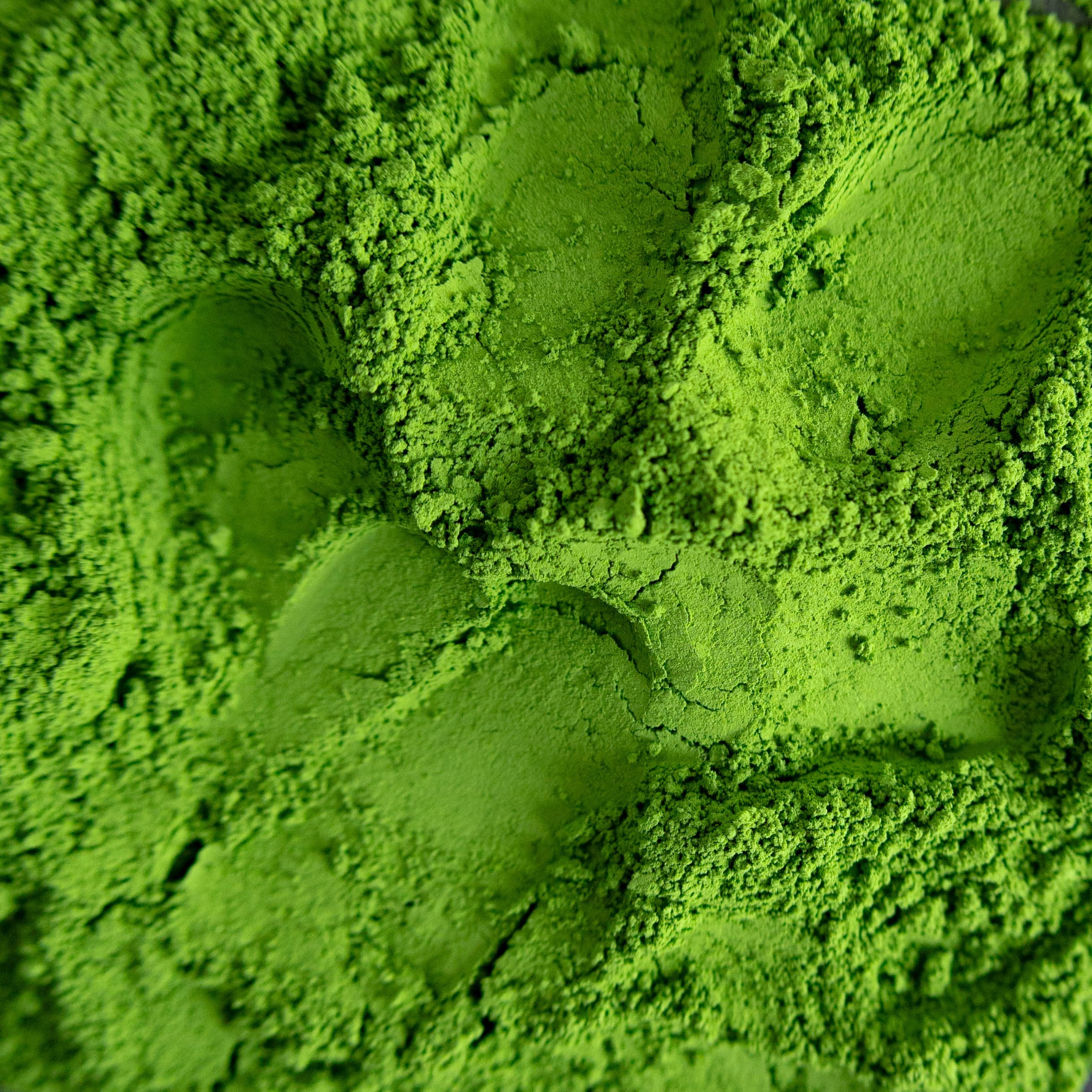
- Colour: a vivid, bright jade green. A dull, yellowish or brownish green usually means a later harvest, oxidation or poor storage.
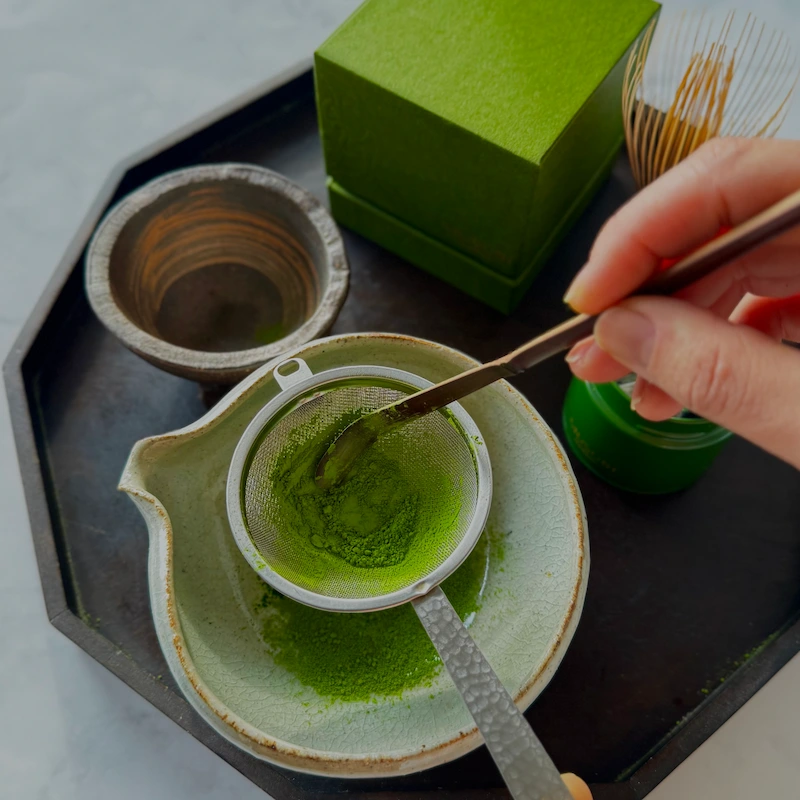
- Texture: extremely fine and silky between your fingers, like eyeshadow. Gritty or coarse powder suggests fast milling.
- Aroma: fresh, sweet and vegetal, sometimes with a creamy or marine note. A flat, hay-like or dusty smell is a warning sign.
- Foam: whisked as usucha, good matcha forms a fine, dense, creamy foam with tiny bubbles.
- Taste: umami and natural sweetness first, then a clean, gentle finish. Some bitterness is normal; harsh astringency that lingers is not.
For a deeper look at how matcha compares with other Japanese teas, read my guide to Hojicha vs Matcha.
8. Transparency: The Only Real Guarantee
The best matcha brands can tell you the farm, the region, the cultivar, the harvest, the milling method and how much is produced each year. If a brand cannot answer these questions, its product cannot be verified, however it is labelled.
This is not a small detail. It is the difference between a product and a story about a product.
This is why I source MUSUBI MATCHA exclusively from the Nakai family in Wazuka, Kyoto. The family has cultivated tea for over 350 years and was one of the first in Japan to obtain JAS organic certification. My partnership with them is direct and exclusive: no intermediaries, no blending, no adjustments. I carry only their highest grade.
Every tin is fully traceable, down to the field it came from. I can tell you the plot number. That is what transparency actually looks like.
Buying Matcha in Europe: What to Watch For
In Europe, matcha has become easy to find and hard to judge. Here is what I recommend before you buy.
- Beware of “Japanese-style” matcha. Words like “Japanese-style”, “premium” or a Japanese-looking design do not mean the tea comes from Japan. Check that the label states Japan and a specific region.
- Check the organic label twice. In Europe, look for the EU organic Euro-leaf. For Japanese matcha, the JAS organic mark shows it was certified at the source.
- Think about freshness. Matcha is sensitive to light, heat, air and moisture. Choose an airtight tin over a clear pouch, and check the best-before date. Matcha that has travelled and waited for months on a warm shelf loses its colour and sweetness.
- Store it well at home. Once opened, keep your matcha sealed, away from light, in a cool place, and enjoy it within about a month. Unopened, it keeps longer in the fridge, let it return to room temperature before opening to avoid condensation.
- Be careful with very low prices. Real first-harvest, stone-milled, organic matcha takes time and skill to produce. A very cheap price for a “ceremonial” matcha is usually a sign that something has been compromised.
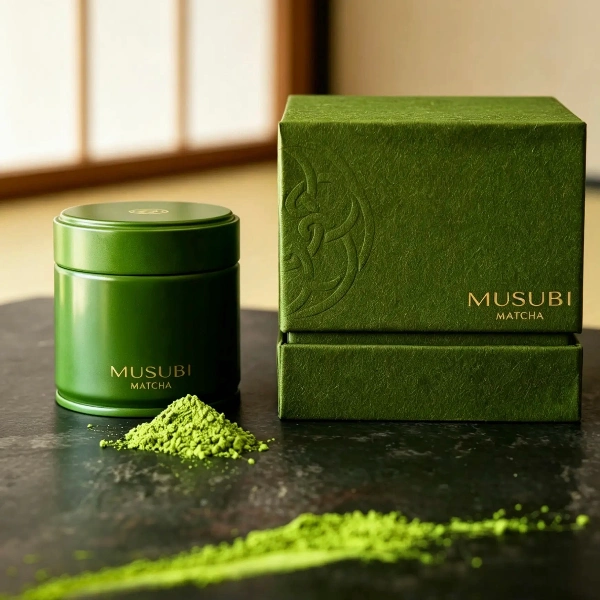
Written by Ryoko Benoist, founder of MUSUBI MATCHA, certified Japanese Tea Advisor and author of Matcha: Histoire, tradition et recettes (Éditions La Plage, 2025). MUSUBI MATCHA sources exclusively from a family farm in Wazuka, Kyoto, with more than 350 years of tea-growing history.
Discover our matcha → Shop now