There are now dozens of matcha brands available in Europe. Comparison articles, ranking guides, “best matcha 2026” lists — they appear faster than the harvests themselves. Most of them test the same things: colour, taste, price. A few go further and mention origin or grade. Almost none of them ask the questions that actually matter. Here is what to look for, and what to ignore.
Which is the best matcha?
This is one of the questions I am asked most often.
After years of exploring Japanese tea culture, studying traditional preparation methods, and working directly with tea producers in Wazuka, Kyoto. I have learned that the answer is not as simple as choosing the most expensive matcha or the one with the highest grade.
Because there is no single “best” matcha.
The best matcha is the one that reveals the true character: its natural sweetness, its deep umami, its delicate aroma, and the Japanese craftsmanship behind every bowl.
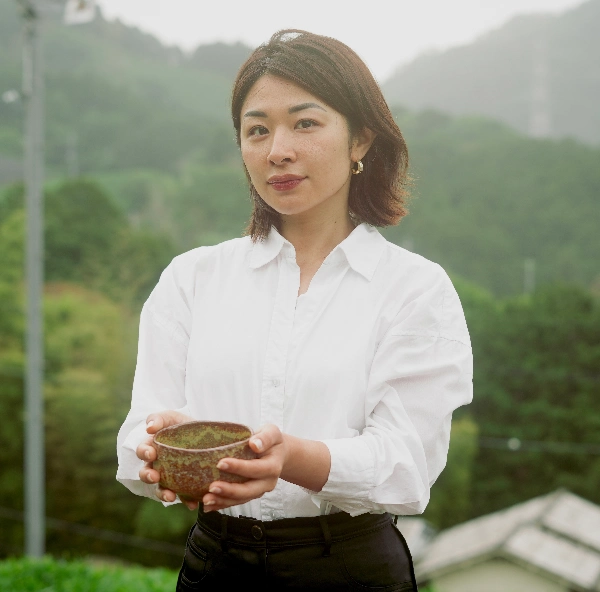
As a Japanese Tea Advisor and the founder of MUSUBI MATCHA, my mission is to share the authentic experience of Japanese matcha with people around Europe.
For centuries in Japan, matcha has been more than just a drink. It is a moment of connection, mindfulness, and appreciation. The preparation of a bowl of matcha invites us to slow down, focus on the present moment, and experience the beauty of simplicity.
However, today’s global popularity of matcha has created a lot of confusion. Not all matcha is produced in the same way, and not all matcha is intended to be enjoyed in the same manner.
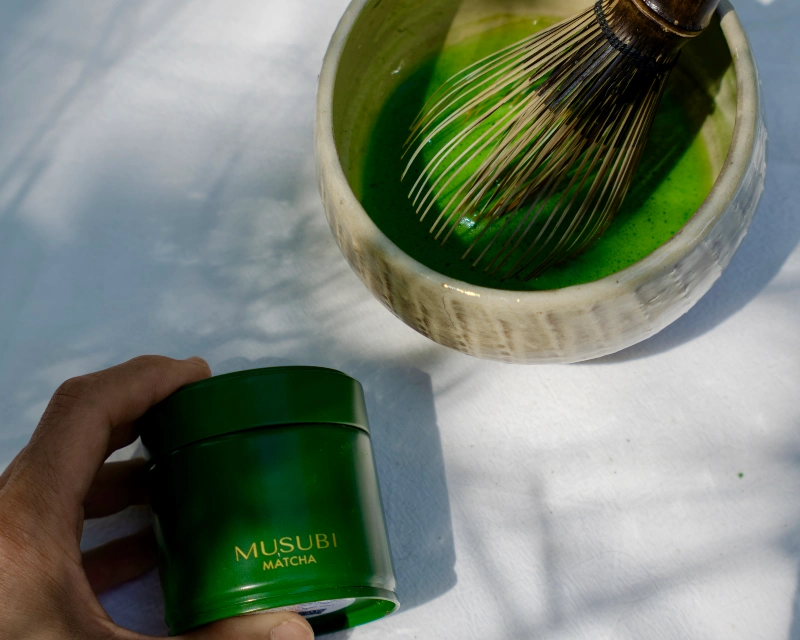
Some matcha are created for recipes, smoothies, or lattes. Others are carefully crafted to be enjoyed pure, with nothing added, allowing the matcha itself to express its full complexity.
A truly exceptional matcha does not need milk or sugar to become enjoyable.
It should already be complete on its own.
In this guide, I will share the essential knowledge I have gained through my connection with Japanese tea culture and explain how to recognize a high-quality matcha, understand its origin, and choose the right matcha for your own ritual.
Whether you are discovering matcha for the first time or looking for a deeper understanding of this extraordinary Japanese tea, this guide will help you appreciate what makes a truly exceptional matcha.
1. Forget “ceremonial grade”
This is the first thing to understand, and the most important.
“Ceremonial grade” is a marketing term. It is not regulated, not certified, and not defined by any official body in Japan or anywhere else. Any brand can use it. It tells you nothing about the harvest, the cultivar, the milling method, or the farm.
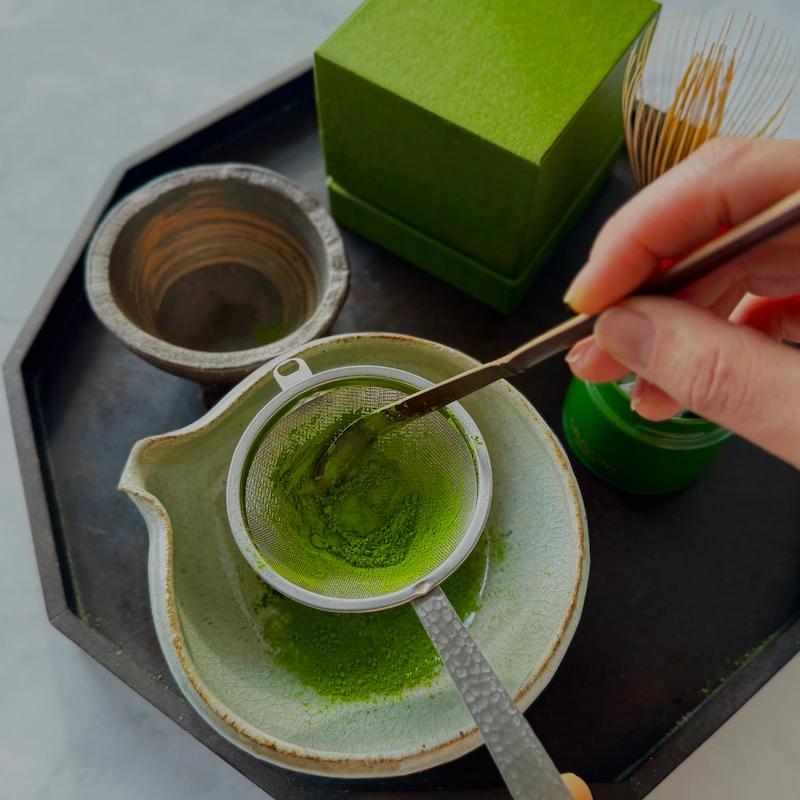
The only meaningful test: does this matcha taste good prepared as usucha — just powder and hot water, nothing added? If it requires milk or sugar to be drinkable, the grade label is irrelevant.
2. Origin matters — and Japan is non-negotiable
Matcha is inseparable from Japanese culture. The shading techniques, the specific cultivars, the stone-milling traditions, the very concept of usucha — all of it developed over centuries within Japan, passed down through generations of tea farmers, tea masters, and craftspeople. That accumulated knowledge cannot be transplanted.
Matcha produced outside Japan may look similar. But it lacks the depth of tradition, the specific terroir, and the generational expertise that define what matcha actually is.
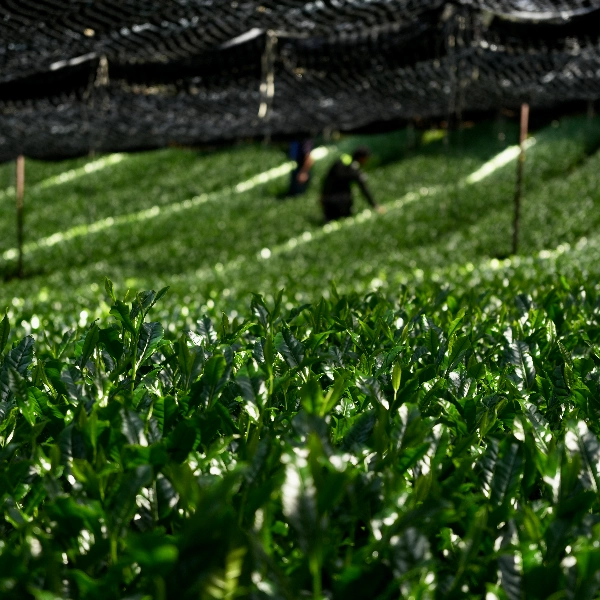
Within Japan, several regions produce exceptional matcha — Wazuka and Uji in Kyoto, Shizuoka, Kagoshima, Aichi, Fukuoka. Each has its own characteristics shaped by soil, climate, and local tradition.
What sets Wazuka and Uji apart is a specific practice: ageing. After the first harvest, the tencha is rested for several months before milling. This ageing process — rare in other regions — deepens the umami and develops a roundness that fresh-milled matcha cannot achieve. It is not better by default. It is different in a way that matters.
If a brand lists only “Japan” without specifying a region, ask why. And if they cannot name the farm, the answer tells you everything.
3. The harvest is everything
Japanese tea is harvested multiple times per year. The first harvest — ichibancha, typically in May — produces the youngest, most tender leaves, with the highest concentration of L-theanine, chlorophyll, and umami.
Second and third harvests are coarser, more bitter, and nutritionally inferior. Many blended matchas mix harvests across seasons and farms without disclosing it. The best producers harvest once per year and say so.
Look for: “first harvest” or “ichibancha” stated explicitly. If it is not mentioned, assume it is not.
4. Stone-milling is slow by design — and that slowness is the point
Before it becomes powder, matcha starts as tencha: dried tea leaves, carefully prepared for milling. What happens next determines everything.
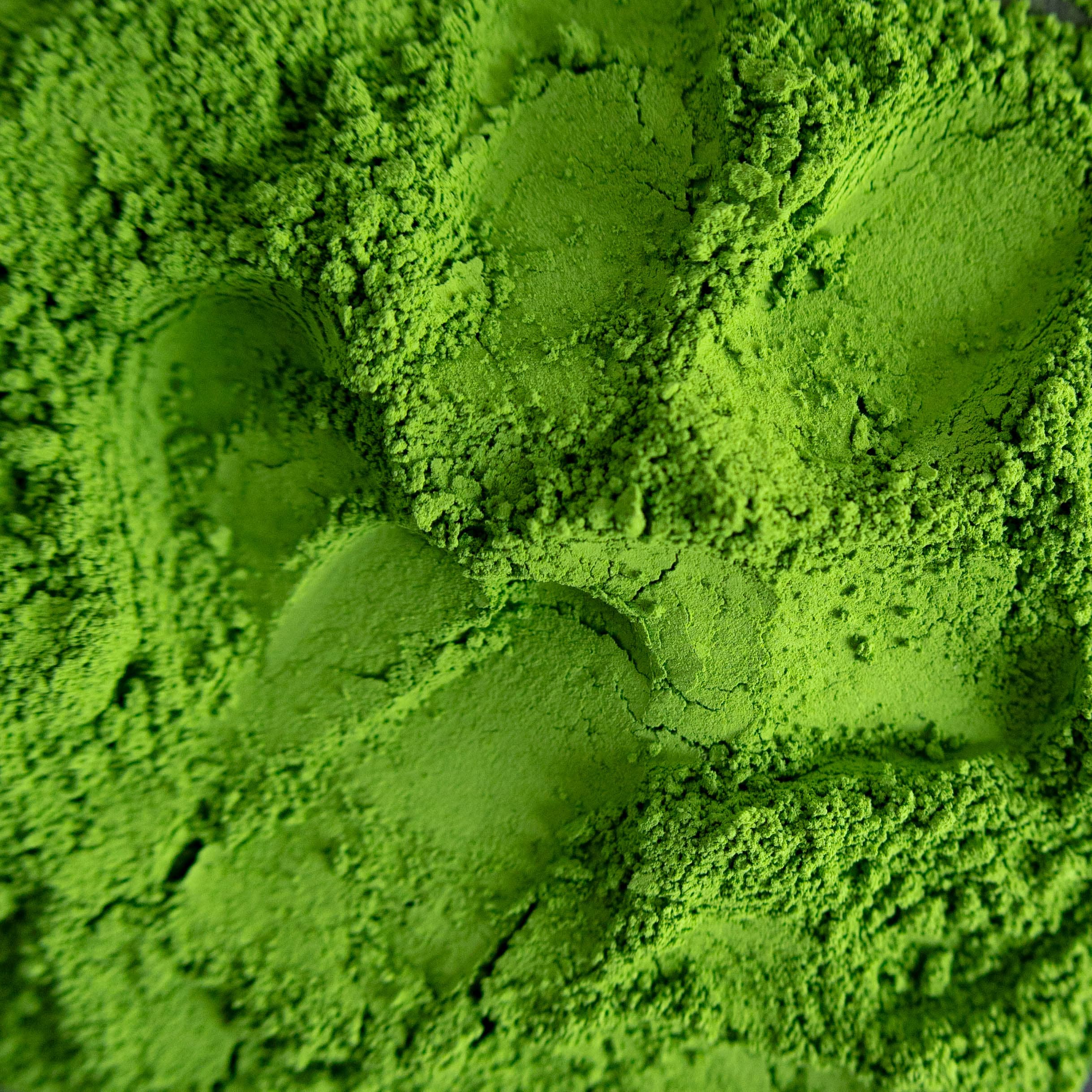
A granite stone mill turns at low speed — approximately 30 to 40 grams per hour. The low speed prevents heat build-up. Heat degrades catechins, EGCG, and the volatile aromatic compounds that give premium matcha its depth and colour. Stone-milling also preserves a higher concentration of antioxidants — the difference is measurable, not just sensory.
Industrial ball mills work faster. The result may look similar. It is not.
If a brand does not state their milling method, it is almost certainly industrial.
5. Organic is not optional — it is a matter of safety
The tea plant accumulates pesticide residues in its leaves. With matcha, you consume the entire leaf — ground to powder. This makes the choice of organic particularly important for anyone drinking it daily.
The certification to look for is JAS — Japanese Agricultural Standard. This is Japan’s official organic label, equivalent to the European AB certification. It requires zero synthetic pesticides, zero chemical fertilisers, and a minimum three-year conversion of the land. It is independently verified.
In Japan, JAS-certified tea farms are rare. In Kyoto, there are only a handful. A JAS-certified matcha from Wazuka is genuinely uncommon — and genuinely worth seeking out.
6. Transparency is the only real guarantee
The best matcha brands can tell you the farm, the region, the cultivar, the harvest date, the milling method, and the annual quantity produced. If a brand cannot answer these questions, the product cannot be verified — regardless of how it is labelled.
This is not a small detail. It is the difference between a product and a story about a product.
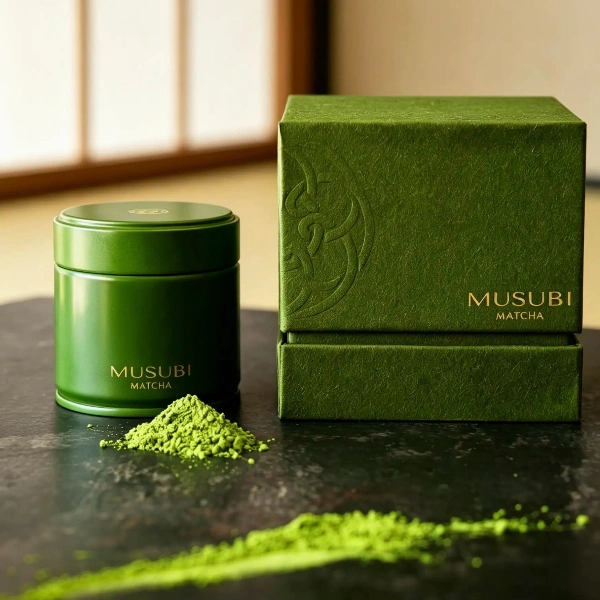
MUSUBI MATCHA sources exclusively from Nakai Family in Wazuka, Kyoto — a family that has cultivated tea for over 350 years, and one of the first in Japan to obtain JAS organic certification. Our partnership is direct and exclusive: no intermediaries, no blending, no adjustments. We carry only their highest grade.
Every tin is fully traceable — down to the specific field it came from. We can tell you the plot number. That is what transparency actually looks like.
The checklist
When evaluating a matcha, look for:
-
Origin: Japan, with a specific region named
-
Harvest: First harvest / ichibancha, stated explicitly
-
Processing: Stone-milled, stated explicitly
-
Cultivar: Single variety or named tea ceremony blend
-
Certification: JAS organic
-
Transparency: Farm and harvest date available
If a matcha checks all six, you have found something worth drinking pure.
Written by Ryoko Benoist – founder of MUSUBI MATCHA, a certified Japanese Tea Advisor, and the author of Matcha — Histoire, tradition et recettes (Éditions La Plage, 2025). MUSUBI MATCHA sources exclusively from a family farm in Wazuka, Kyoto, of over 350 years, and one of the first in Japan to obtain JAS organic certification.
Discover our matcha → Shop now