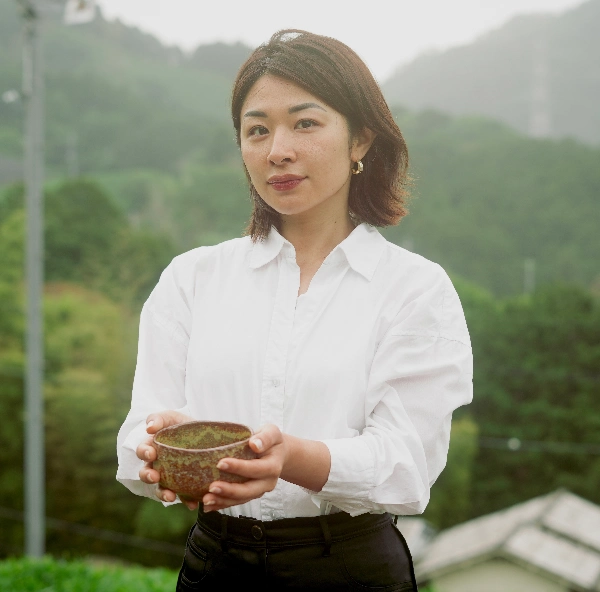
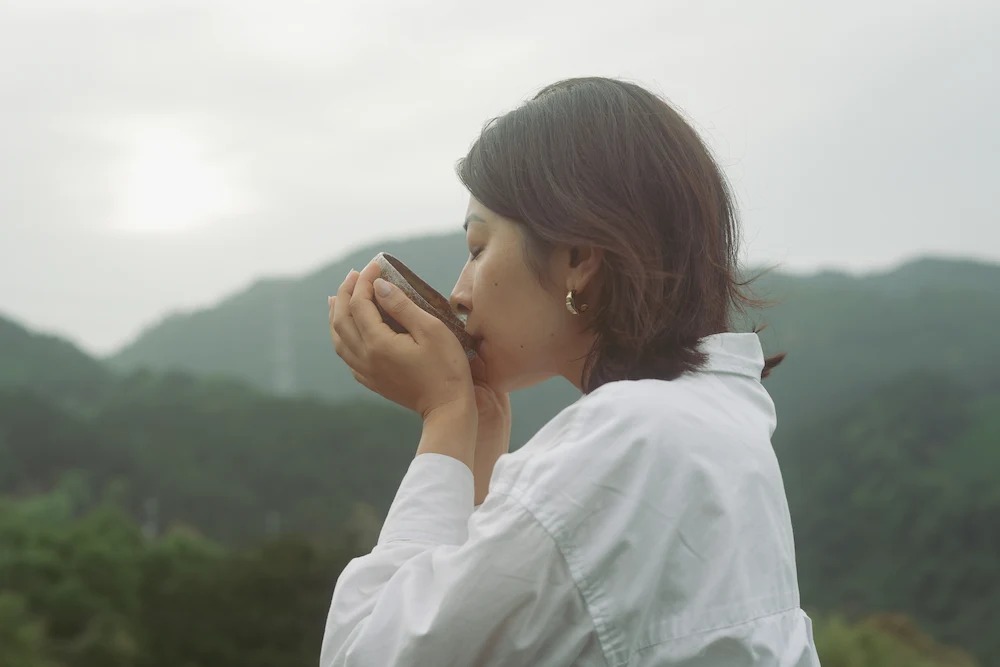
Reflecting on social media and the quiet world of matcha
In recent years, fast-moving platforms such as Instagram and TikTok have shaped how food and culture are shared. While these platforms can be inspiring, they often favor speed, trends, and simplified narratives.
The world of matcha I wish to share does not belong to that rhythm.
Matcha, in its traditional Japanese context, represents beauty, depth, serenity, and cultural heritage. It is not something to rush or dilute. It is something to approach with intention, discipline, and respect for its origins.
This Matcha Journal was created as a space to slow down and share matcha culture in a way that reflects how it has been practiced in Japan for centuries.
Why I Started This Matcha Journal
I wanted to create a place where I could share:
Accurate knowledge of Japanese matcha culture
Historical and cultural context beyond trends
A personal perspective, written quietly and sincerely
This journal is designed as a slower space—one where readers can take time to understand matcha as more than a beverage, but as a cultural practice.
I write in English so that more people around the world can access this knowledge. To my French readers: j’espère que cela vous conviendra.
Understanding Matcha Through Traditional Practice
To understand matcha properly, preparation matters. The most traditional way to enjoy ceremonial-grade matcha in Japan is usucha 薄茶.
If you would like to learn how matcha is traditionally prepared and consumed, you can read my detailed guide below:
Usucha preparation guide → Read the guide
My Journey to Matcha: How It Began
In 2019, before the global disruption caused by COVID-19, I was working in France as a freelance fashion coordinator and consultant. My professional life moved quickly, driven by constant production and adaptation.
When the pandemic began, that pace suddenly stopped.
For the first time, I allowed myself to reflect deeply on what I truly wanted to create. During this period, I joined a meditation group, which introduced
stillness and reflection into my daily life.
Through these practices, I realized something essential: as a Japanese woman living in France, I wanted to share Japanese culture in a way that felt authentic, respectful, and grounded.
Discovering Organic Matcha from Wazuka
This realization led me to create BiSHOKU, an online shop offering organic Japanese foods. France’s strong organic culture deeply influenced my values and lifestyle.
During this time, I discovered organic matcha produced in Wazuka, one of Japan’s most historic tea regions.
Its purity, aroma, and depth left a lasting impression on me. I remember thinking clearly: one day, I want to work with matcha.
That thought quietly took root in 2019.
If you would like to learn more about Wazuka and why it produces some of Japan’s finest matcha, you can read my article below: Wazuka, Organic Farming, and Traditional Aging
Matcha as a Daily Practice, Not a Trend
From that moment, matcha became part of my daily life. I prepared it every morning, studied its history, and learned about its cultivation and cultural meaning.
I began to understand matcha not as a product, but as a cultural expression shaped by centuries of craftsmanship, discipline, and environment.
This path eventually led me to Kyoto, to organic tea fields with over 350 years of history, and ultimately to the creation of MUSUBI MATCHA.
This journal begins here.Experiencing the Matcha That Inspired This Journey
If you wish to experience the matcha that inspired this journey, you can explore our Premium Organic Uji Matcha, produced in extremely limited quantities.
If you would like to receive future articles from the Matcha Journal, you can subscribe here: Newsletter Subscription
Written by Ryoko Benoist – founder of MUSUBI MATCHA, a certified Japanese Tea Advisor, and the author of Matcha — Histoire, tradition et recettes (Éditions La Plage, 2025). MUSUBI MATCHA sources exclusively from a family farm in Wazuka, Kyoto, of over 350 years, and one of the first in Japan to obtain JAS organic certification.
Discover our matcha → Shop now