Uji Matcha Organic – Wazuka, Traditional Aging, and Rare Single-Origin Production
At the center of Uji matcha’s legacy is Wazuka 和束, a small rural town that produces nearly 40% of all Uji matcha and remains one of Japan’s most historically significant tea regions.
With over 800 years of matcha history, Wazuka is where many of the techniques that define Uji matcha—shading, harvesting, and refining—were refined and passed down through generations. Uji matcha 宇治抹茶 is globally recognized for its refined sweetness, smooth texture, and deep cultural heritage.
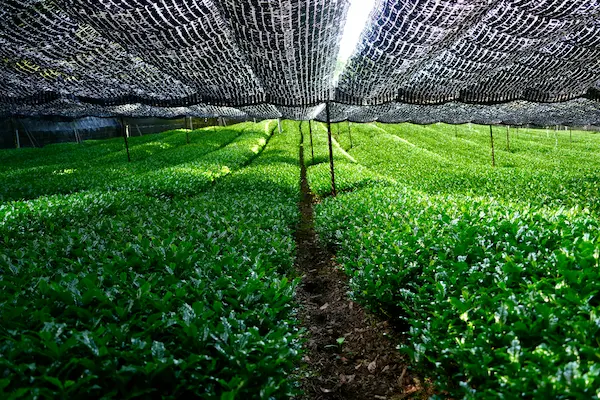
Wazuka’s steep valleys, foggy climate, and mineral-rich soil create ideal conditions for producing high-grade tencha, the raw leaf used to make matcha.
Wazuka: The Heart of Uji Matcha
Unlike large-scale production areas, Wazuka remains deeply connected to traditional tea farming. Its landscape and climate naturally support slow, careful cultivation—essential for high-quality ceremonial matcha.
This environment is what gives Uji matcha its balance, depth, and quiet elegance.
The Aging Process (Jukusei 熟成): A Tradition from the Edo Period
One element that truly sets Uji matcha apart is the traditional aging process known as Jukusei 熟成.
This method originated in the Edo period, when freshly harvested tencha was stored in ceramic jars (cha-tsubo 茶壺) and aged over time. Aging softens bitterness, enhances sweetness, and creates the refined flavor profile Uji matcha became known for.
Today, this tradition continues. After the May harvest, tencha is stored under carefully controlled cold conditions until autumn, allowing the flavors to deepen and mature naturally.
Our premium Uji matcha follows this same aging process, preserving the taste profile that has defined Uji matcha for centuries.
To experience the flavor shaped by Wazuka’s terroir and traditional aging, we invite you to try our Premium Organic Uji Matcha, produced in extremely limited quantities.
Premium Organic Uji Matcha → Shop
Why Organic Uji Matcha Is Extremely Rare
Despite Wazuka’s strong tea heritage, certified organic tea farmers are remarkably few. Today, only few organic producers remain in the region.
Among them is a pioneering farm that began organic cultivation over 40 years ago, becoming Japan’s first JAS-certified organic matcha producer.
This scarcity is what makes organic Uji matcha fundamentally different from mass-produced matcha.
Our Partnership with Japan’s First Organic Matcha Producer
Through a direct relationship with this historic farm, we source some of Japan’s rarest organic matcha:
-
100kg per year – Premium Organic Ceremonial Matcha
-
50kg per year – Premium Reserve Organic Ceremonial Matcha
Both are:
-
Tana-shaded
-
First harvest only
-
Aged for several months
-
Stone-milled slowly
-
Produced in extremely small quantities
This is true single-origin Uji matcha, crafted using methods unchanged for centuries.
How to Best Experience This Matcha
Our matcha is designed to be enjoyed in its purest form:
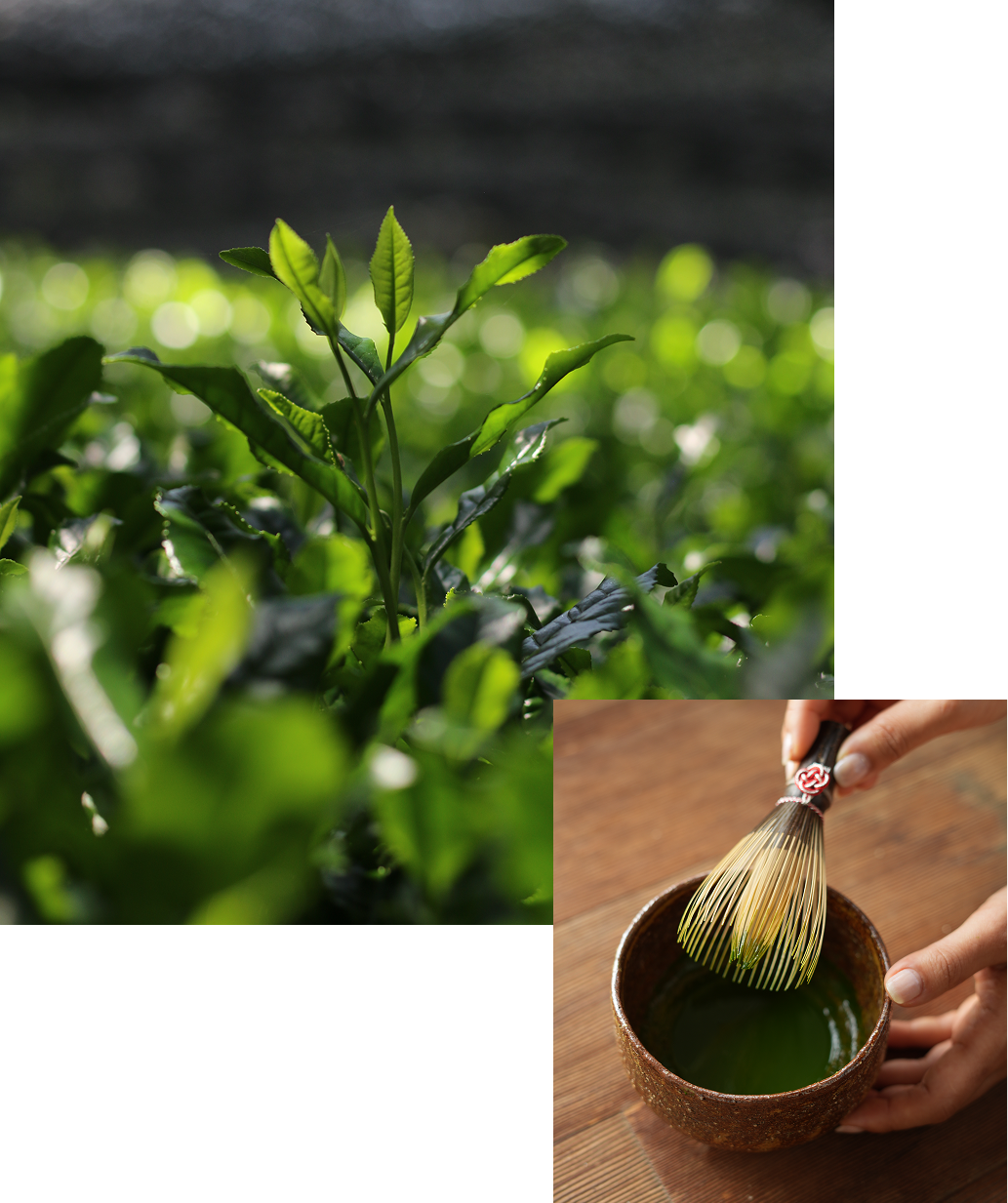
Usucha 薄茶 – light, smooth, and aromatic
Koicha 濃茶 – thick, sweet, and deeply ceremonial
To fully experience the depth, sweetness, and quiet elegance of authentic Uji matcha, these traditional preparations are recommended.
Learn how to prepare Usucha → Read the guide
If you would like to receive future articles from the Matcha Journal, you can subscribe here:Newsletter Subscription → Click here
Written by Ryoko Benoist – founder of MUSUBI MATCHA, a certified Japanese Tea Advisor, and the author of Matcha — Histoire, tradition et recettes (Éditions La Plage, 2025). MUSUBI MATCHA sources exclusively from a family farm in Wazuka, Kyoto, of over 350 years, and one of the first in Japan to obtain JAS organic certification.
Discover our matcha → Shop now