Global matcha demand is exploding, but Japan faces a serious supply crisis. Learn what the Japanese government report reveals about matcha production, exports, and the future of authentic Japanese matcha.
The Matcha Boom: Global Demand vs Japan’s Matcha Supply Reality
The global matcha boom is no longer a social media trend.
In December 2025, the Ministry of Agriculture, Forestry and Fisheries released an official report analyzing matcha production, exports, and supply risks.
When a government studies a product at this level, it means one thing: matcha has become a strategic issue for Japan.
So what is really happening behind the scenes?
Global Matcha Demand Is Growing Faster Than Japan Can Supply
According to the government report, matcha exports are growing at an unprecedented pace.
Key findings include:
-
Matcha exports are increasing faster than any other tea category
-
Export prices for matcha are more than twice those of standard green tea
-
Global demand is now exceeding Japan’s domestic production capacity
In simple terms, Japan cannot produce enough matcha to meet global demand.
This is not a short-term problem.
Tea farmers are aging, the number of producers is declining, and converting traditional tea fields into tencha fields for matcha production takes years — not months.
Matcha is not just a “green powder”
I want to share my personal experience here.
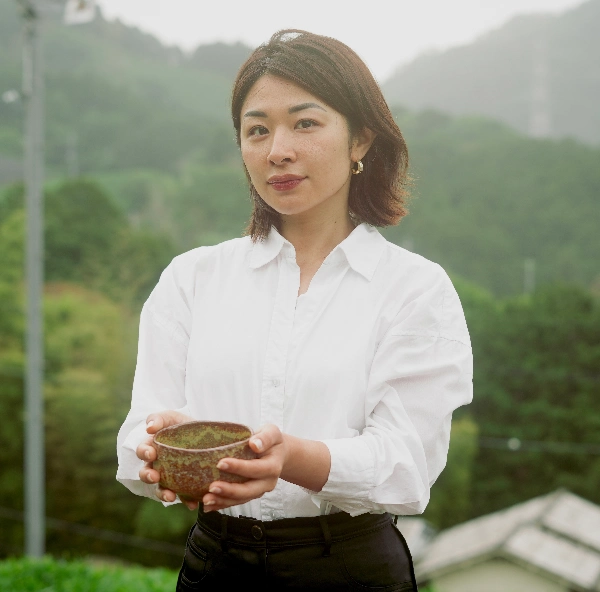
I source my matcha directly from family-owned organic tea farmers in Wazuka, Kyoto — families who have been producing tea for over 300 years. When I visited their fields, the atmosphere was completely different from the global matcha boom.
There was no trend-chasing. No rush.
What I felt instead was deep commitment, silence, and a clear mission: to produce the highest-quality organic matcha, regardless of global hype. For these farmers, matcha is not a trendy product.
Their priorities remain unchanged: passing knowledge to the next generation, protecting organic soil, and preserving craftsmanship.
Why Direct Trade Matters for the Future of Japanese Matcha
Increased global demand can be positive — but only when farmers receive fair value through direct trade.
This financial stability allows producers to:
-
Invest in organic farming practices
-
Improve facilities
-
Continue farming for the next generation
The government’s research confirms what many producers already know: the matcha boom is real — but fragile.
The Future of Matcha Depends on Choices We Make Now
The future of matcha does not depend on speed or volume.
It depends on whether we choose to respect:
-
its origin
-
its producers
-
its philosophy
Matcha is not just green powder. It is a cultural heritage with a long history.
Reading this report, I strongly felt that the government’s concerns align with my own vision: protecting matcha not only as a product, but as a cultural responsibility.
If you’d like to receive updates from the Matcha Journal, you can subscribe using this link → Newsletter Subscrion
Written by Ryoko Benoist – founder of MUSUBI MATCHA, a certified Japanese Tea Advisor, and the author of Matcha — Histoire, tradition et recettes (Éditions La Plage, 2025). MUSUBI MATCHA sources exclusively from a family farm in Wazuka, Kyoto, of over 350 years, and one of the first in Japan to obtain JAS organic certification.
Discover our matcha → Shop now