Why I Chose Organic Matcha from the Beginning
When launching my matcha brand in France, choosing JAS-certified organic matcha was not a marketing decision—it was a baseline requirement.
What JAS Organic Certification Really Means
JAS (Japanese Agricultural Standards) is Japan’s official organic certification system, administered by Japan Agricultural Standards.
It applies to all agricultural products, including tea, and enforces strict rules:
No synthetic pesticides or chemical fertilizers
Long-term soil management and regeneration
Full traceability from field to final produc
Continuous audits and documentationJAS is widely considered one of the most demanding organic standards globally. It is not a label that can be obtained quickly—it requires years of preparation and constant compliance.
The farmer I work with was directly involved in establishing this JAS organic framework. In other words, the matcha I source comes from someone who helped define the very standards governing organic agriculture in Japan.
That level of integrity is non-negotiable for my brand.
Organic Matcha in Japan Is Exceptionally Rare
Organic agriculture in Japan represents only about 0.2–0.3% of total national production.
Within the tea industry, certified organic tea accounts for only a few percent.
In Kyoto—especially in Wazuka, one of the most respected regions for Uji matcha—only a handful of farms operate under certified organic conditions.
This is why organic matcha costs more. Not because it is a luxury product, but because it reflects real labor, long-term soil work, and significantly lower yields.
If you want to understand why Wazuka is so important in Japanese tea culture, you can read more here: What makes Uji matcha unique? Wazuka, organic farming, and traditional aging
Direct Sourcing and Full Transparency
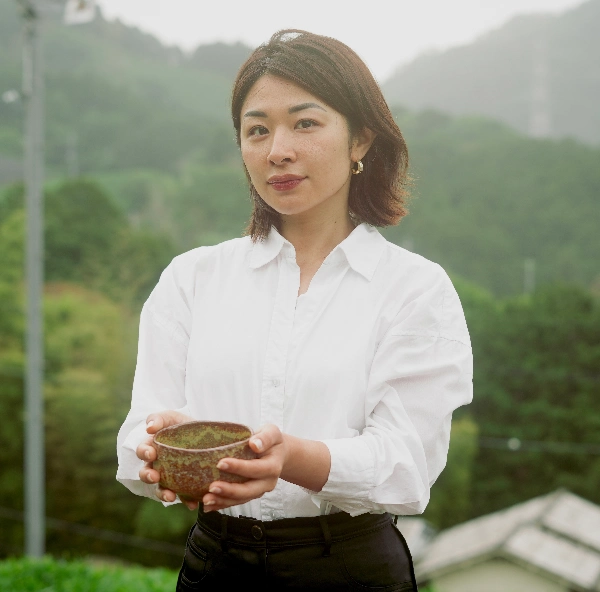
I personally visit the organic tea farms in Wazuka.
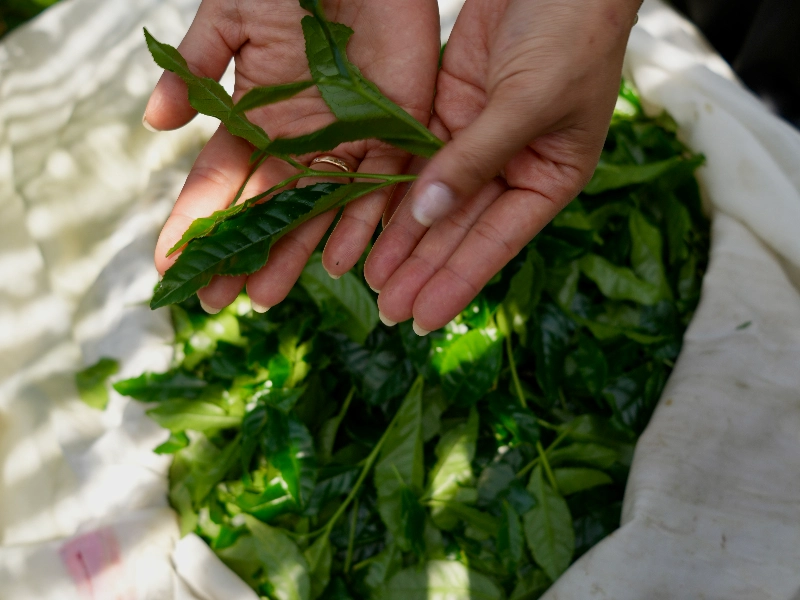
Last year and again this year, I checked the soil, observed the leaves, and stayed on-site during harvest.
This year, I spent a full week living alongside the farmers, witnessing every step of production—from morning to night. That firsthand experience is essential. It allows me to understand not only quality, but consistency, discipline, and the true cost of excellence.
I do not work with intermediaries or wholesalers.
Direct sourcing ensures transparency and guarantees that the farmers receive fair value for their work.
Building a sustainable matcha business also means building a sustainable relationship with the people who produce it.
Why Organic Matters Even More with Matcha
Matcha is unique among teas because you consume the entire leaf, not just an infusion.
That makes the choice of organic essential, not optional.
Anything used in cultivation ends up directly in your body.
This is why I emphasize organic matcha in all my Matcha Masterclasses and educational work.
Choosing organic matcha supports:
Consumer health and safety
Long-term soil regeneration
Farmers committed to sustainable agriculture
The future of organic tea production in Japan
Transitioning to organic farming in Japan is still extremely challenging. Every informed purchase matters.
A Long-Term Commitment
From the beginning, my intention has never changed: to deliver matcha that is genuinely safe, exceptionally high-quality, and produced under the highest standards Japan can offer.
If you’d like to receive insights and updates from the Matcha Journal, you can subscribe here → Newsletter Subscription
Written by Ryoko Benoist – founder of MUSUBI MATCHA, a certified Japanese Tea Advisor, and the author of Matcha — Histoire, tradition et recettes (Éditions La Plage, 2025). MUSUBI MATCHA sources exclusively from a family farm in Wazuka, Kyoto, of over 350 years, and one of the first in Japan to obtain JAS organic certification.
Discover our matcha → Shop now